There are so many options when it comes to creating your very own vegetable garden. So many people have created gardens in apartments, on balconies, in pots and in their back yards. People grow food on walls, in bathtubs and old milk bottles. You don’t have to spend a lot of money and you can start straight away. The first thing you need to think about is the climate you will be growing your vegetables in. This will influence what you grow at what time of the year. You then need to think about the space you will be growing your vegetables in and your budget. Personally I budget for the seeds, as I like to grow organic and heritage seeds where possible. I will then purchase some generic seeds, if I cannot access exactly what I want organically.
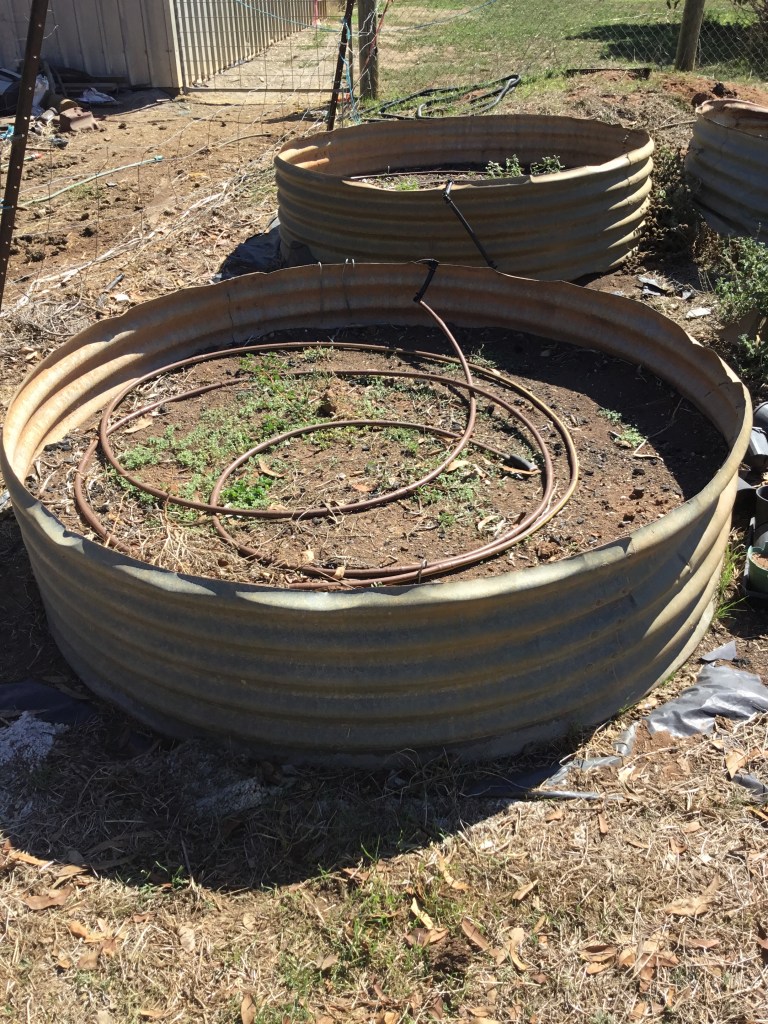
The soil you use is also very important. I feel there is nothing better than making your very own compost. Anyone can start composting in their home, it also does not need to be fancy or big. Start by placing a bucket on your bench when you are preparing your meals. Place any food scraps you can compost into it including, vegetable/fruit peel and cores, anything which won’t attract rodents and no dairy, meat or breads! You can then simply dig a hole in the garden place the scraps into it and cover it safe from anything which will spread it all over the place. You can purchase compost systems of all different sizes from many hardware or plant stores. I have made a 3 bay system from pallets several times (if you decide to do this, make sure the pallets you use have not been treated with any chemicals). There is even compact indoor systems which create worm wee and do not smell your house out. Once you have created your own compost you can place it straight into you vegetable garden area. If you are not up for composting or you will not be able to provide enough compost for your garden area, there are many more options. You can purchase compost, organic garden soil and potting mix from most garden stores. You might even want to just use a space in your backyard and improve the soil you already have, through using animal manure and compost. Most vegetables like a neutral pH level of 6.5-7.5 this is something you can test very easily with a basic testing kit taking samples of the soil. You can alter your soil pH levels over a few days with lime or Sulphur depending on what level your pH of your require. I have also made non did garden beds. The last main things you need to consider is how much sunlight, will be on your garden during that time of the year (if growing outside if inside where is a good window sill to place your pots near). Lastly a watering system for your vegetable garden which is a must for your plants to grow. I love an automatic system as it allows for consistency however can be expensive so working out how much water your soil requires and how often is very important when hand watering wicker beds are awesome for dry areas and do not require watering as often as no wicker beds.
I hope this gives you a little insight into what you need to consider when starting your very own vegetable garden. If you are keen to learn more check out my ‘Starting a vegetable garden in any space’ course, where I show you how to get started with a vegetable garden and share many helpful ideas. Included in the course are 5 sessions and also a Facebook group with a life time membership access, of the course eBook and ongoing support when needed through the group. Come and join a community of like-minded people, who also want to grow for a more sustainable future!
Join the B’s Patch community through Facebook: @B’s Patch17, instagram: bs_patch, YouTube: B’s Patch or join the B’s Patch essential oil community here: http://mydoterra.com/bwinslade
 B's Patch